

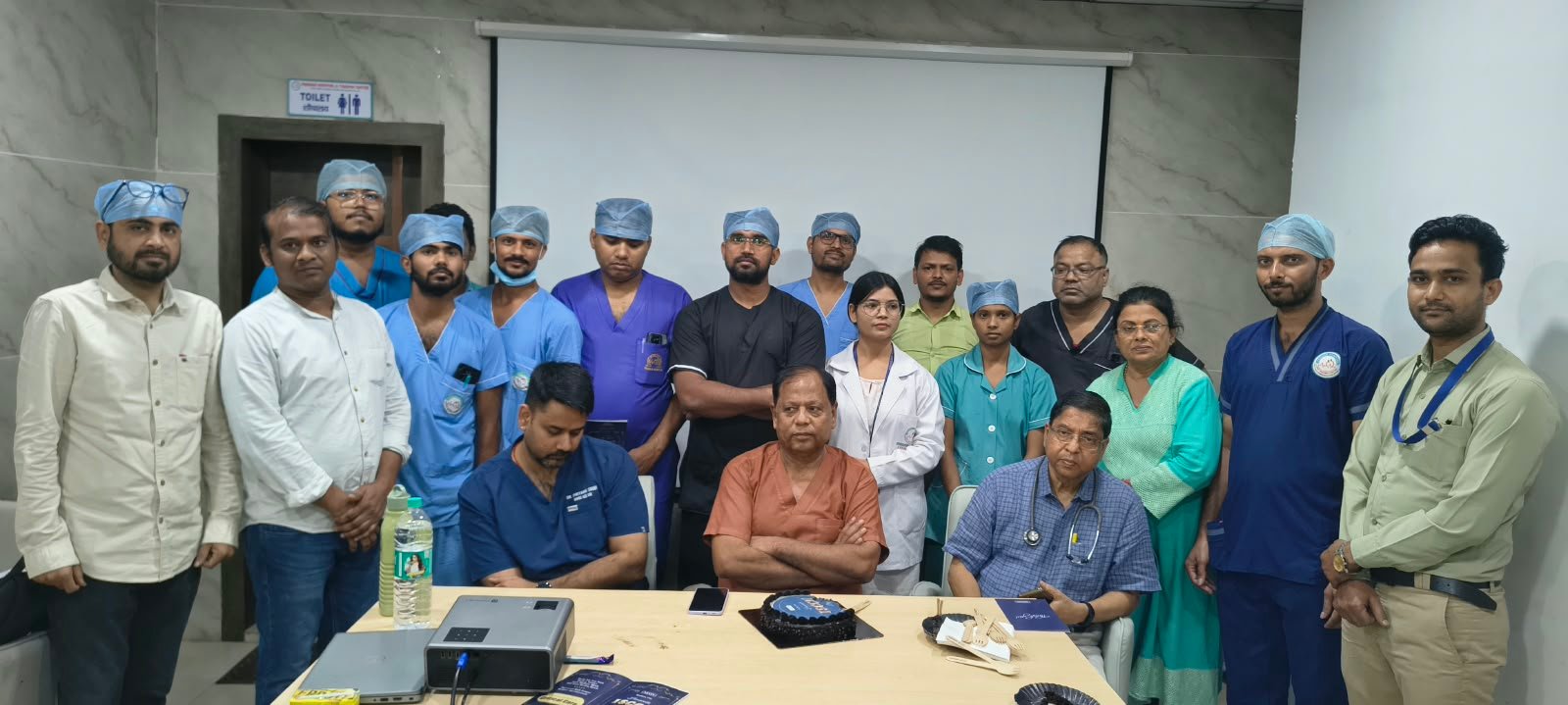

ISCCM Day workshop in Agra highlights emergency intervention, intensive care and coordinated treatment for critically ill patients
AGRA: In critical medical emergencies, timely intervention and close clinical monitoring can be decisive in determining a patient’s outcome. From severe infections and cardiac complications to road accident injuries and respiratory distress, the management of critically ill patients depends on prompt medical attention, specialised expertise and coordinated care. Highlighting these priorities, Prabha Hospital organised a workshop in Agra to mark Indian Society of Critical Care Medicine (ISCCM) Day, focusing on the importance of critical care in modern healthcare.
During the workshop, Dr. B.K. Singh, Director of Prabha Hospital, emphasised the need for timely treatment and specialist supervision in cases involving life-threatening medical conditions. He highlighted how intensive care units (ICUs), advanced medical equipment and trained healthcare professionals support the management of critically ill patients. He also underlined the importance of recognising medical emergencies early and ensuring that patients receive appropriate treatment without delay.
Dr. Priyank Singh, Director of Prabha Hospital, highlighted the importance of teamwork in critical care management. He stressed that effective coordination among doctors, nursing staff and other healthcare professionals is essential to ensure continuity of care and timely clinical decisions. He also emphasised the role of regular patient monitoring, timely diagnostic investigations and treatment plans tailored to individual medical conditions.
The workshop also underscored the importance of public awareness about serious illnesses and the need to seek medical assistance promptly during emergencies. Critical care, the doctors highlighted, extends beyond intensive care facilities to include continuous assessment, informed clinical decisions and coordinated medical support throughout the treatment process.
The initiative aimed to reinforce the importance of specialised critical care services and greater awareness of emergency medical needs, with timely intervention and appropriate treatment remaining central to the management of critically ill patients.